
|
|
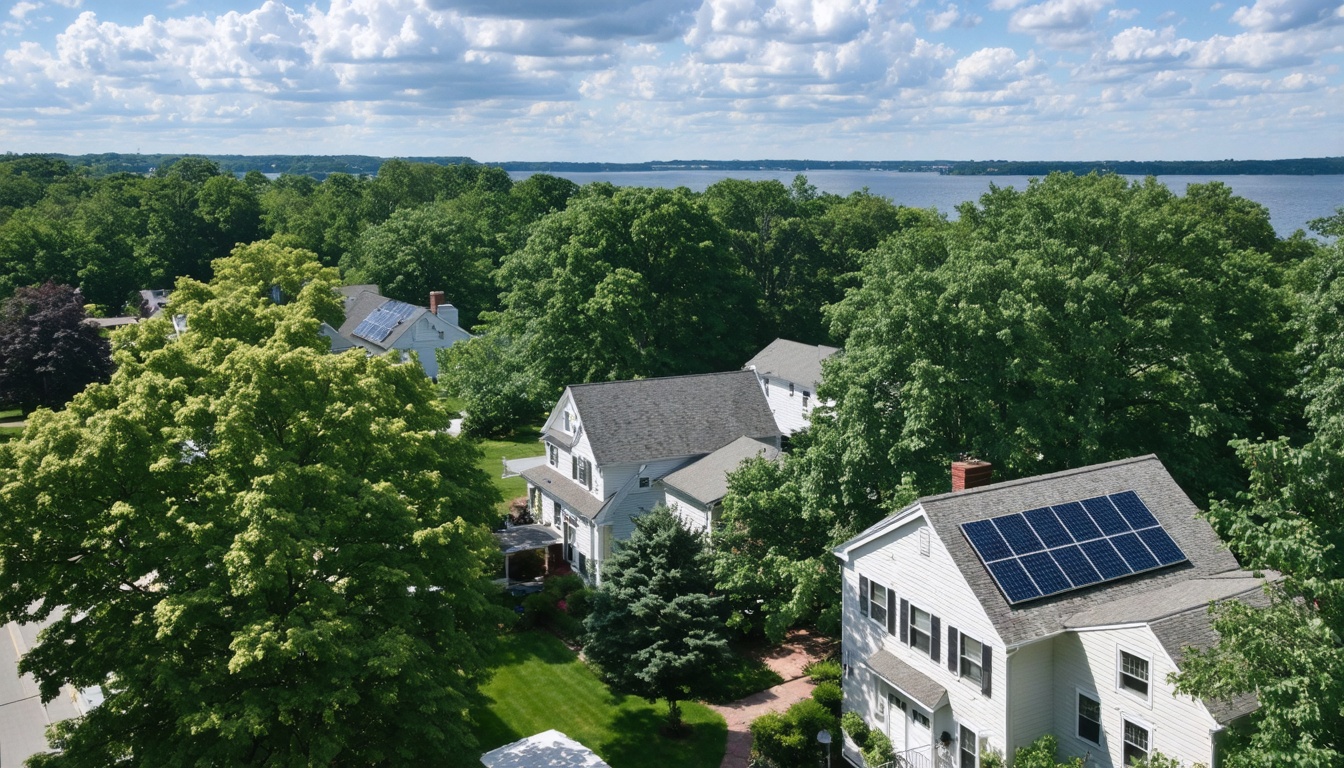 How Local Weather Shapes Solar Energy Decisions in Stamford, ConnecticutWhen considering the installation of solar panels in Stamford, it is essential to examine how local weather patterns influence energy decisions. Stamford experiences distinct seasonal variations that can impact solar energy production. Winter months tend to be cold and often characterized by reduced sunlight, which may limit energy generation from solar systems. Conversely, the summer months provide more consistent and abundant sunlight, presenting a favorable opportunity for harnessing solar energy. Additionally, local incentives and energy rates can fluctuate, further affecting the timing and economic feasibility of solar investments. For instance, incentives can vary based on state and federal programs, and changes in energy rates can impact the return on investment for solar systems. To achieve a favorable outcome in terms of both cost and efficiency, it is crucial to analyze the interplay of climatic conditions, available incentives, and the current energy market. Careful consideration of these factors will enable potential solar adopters in Stamford to make informed decisions that align both with their energy needs and financial goals. Stamford Solar Irradiance and Peak Sun HoursUnderstanding solar irradiance is important for evaluating solar energy potential in Stamford. The area experiences an average of approximately 4.6 peak sun hours per day on an annual basis. This metric is significant for determining the appropriate sizing for solar panels and battery storage systems, as the amount of sunlight available directly impacts energy production. Homeowners considering solar installations can learn more about local options and requirements by visiting Stamford Solar Panels. Individuals considering a shift to solar energy should take advantage of resources offered by local programs and report findings, as these can assist in enhancing energy savings and mitigating overall utility costs. Notably, increased solar irradiance is associated with improved electricity generation capacity, which plays a role in the feasibility of renewable energy solutions. Additionally, those interested in solar installations need to comply with local regulations, including the acquisition of necessary permits. After completing the installation process, homeowners may qualify for various financial incentives, such as property tax exemptions and state and local tax credits. These financial benefits not only encourage the adoption of renewable energy but also contribute positively to environmental outcomes, including better water quality and reduced carbon emissions. Consequently, there may be an associated increase in property valuation as a result of investing in clean energy solutions. The Impact of Seasonal Weather Variability on Solar ProductionStamford has a notable potential for solar energy production, but seasonal weather variability is a critical factor that affects the output of solar panels. On average, the city receives approximately 4.6 peak sun hours per day. It is essential for solar installations to be designed with the understanding that energy generation will vary throughout the year, especially during winter months when conditions such as snow accumulation and ice can hinder production. Homeowners in Stamford generally see increased savings from solar energy between March and October. This timeframe aligns with higher sunlight availability and rising energy costs, which are further bolstered by Clean Energy initiatives that encourage the adoption of renewable energy sources. Additionally, programs like Renewable Energy Solutions can provide tax credits that help offset the installation costs. Homeowners should also take into account factors such as utility bills, tax assessments, and local council incentives when assessing the financial implications of solar energy investments. A comprehensive understanding of these elements will facilitate informed decision-making regarding the feasibility of solar energy as a long-term energy solution in Stamford. Evaluating Solar Panel Performance During High Precipitation PeriodsIn Stamford, the frequency and intensity of rainfall throughout the year can influence the efficiency of solar panels. During high precipitation periods, solar panel output may experience a decline ranging from 25% to 35%. This reduction is primarily due to decreased sunlight availability and a reduction in peak sun hours, which average approximately 4.6 hours per day in the region. To mitigate the impacts of decreased performance, regular maintenance of solar panels is recommended. Ensuring that solar panels are kept clean can optimize their energy output by maximizing sunlight absorption. Homeowners in Connecticut contemplating solar panel installation should be aware of local regulations, including the need to obtain the appropriate permits and to comply with Utility Regulatory requirements. Incorporating battery storage systems may also provide a more stable power supply during times of lower solar generation, thereby enhancing overall energy reliability. Although solar panel efficiency may decline during periods of rain, it generally recovers once weather conditions improve. The long-term advantages of adopting solar energy include potential reductions in energy expenditures and a smaller carbon footprint. Additionally, research suggests that solar panel installations can positively influence property values and contribute beneficially to public health. Cost Analysis of Solar Panel Systems in StamfordAnalyzing the costs associated with solar panel systems in Stamford involves assessing both the initial investment and the long-term financial advantages. The typical expense for a residential solar installation in Stamford is around $28,049 for a system with a capacity of 9.46 kW. Financing options, such as LightReach’s Program, enable homeowners to transition to solar energy with monthly payments starting at approximately $135, which may alleviate the financial burden of higher electricity rates. Over a standard period of 25 years, homeowners could potentially save about $129,000, depending on their energy consumption patterns and the local utility rates in effect. Connecticut offers several financial incentives aimed at promoting the adoption of renewable energy sources, including tax exemptions and reductions in property tax assessments. In addition to lowering energy costs, solar panels may increase residential property values. They help homeowners align with state regulations concerning environmental conservation and public utility standards. Therefore, the financial analysis of solar panel systems in Stamford indicates that these investments can result in meaningful cost reductions while contributing to broader environmental objectives. Connecticut Solar Incentives and Policy DriversIn Connecticut, multiple solar incentives and policy frameworks play a significant role in influencing homeowners' decisions regarding solar panel installations. The Residential Renewable Energy Solutions Program in Stamford provides real-time crediting of electricity production, allowing solar panel users to receive immediate financial benefits. This program is complemented by federal tax credits and the state’s Buy-All tariff, which collectively contribute to substantial savings on both installation costs and ongoing energy generation expenses. The Connecticut Green Bank offers financing options designed to improve the accessibility of solar investments for homeowners. In addition, property tax exemptions ensure that the value of a home remains unchanged due to the installation of solar systems, thus avoiding any increase in tax liabilities. Regulatory oversight from the Public Utilities Regulatory Authority and the state’s Council is critical to ensuring that solar installations adhere to established standards relating to water quality, land use, permit requirements, and privacy policies. These regulatory measures collectively aim to facilitate the transition to renewable energy sources while working toward lowering energy costs and reducing carbon emissions. The framework established by state and local policies aims to foster a conducive environment for solar energy adoption in Connecticut. Balancing Solar Development with Local Land Use and ConservationThe development of solar energy in Stamford involves a careful consideration of the benefits and challenges that arise in relation to local land use and conservation efforts. Solar panels can significantly contribute to clean energy production; however, their installation may also pose concerns regarding the preservation of open space, agricultural land, and overall environmental integrity. Homeowners considering solar panel installation must understand the need to balance the advancement of renewable energy with the preservation of local land resources. The Connecticut Siting Council is responsible for assessing permits for larger solar projects, which has led to ongoing debates about the potential loss of farmland, the impact of increased property taxes, and the importance of implementing environmental safeguards. In Stamford, the availability of approximately 4.6 peak sun hours per day is a critical factor affecting the feasibility of solar power generation. Consequently, the future growth of solar energy adoption in the region may hinge on the ability of stakeholders to effectively manage the economic advantages for homeowners alongside the ecological compromises that development may entail. Local and state regulatory programs evaluate multiple elements, including public health considerations, water quality, the tax implications for residents, and potential effects on home values throughout Connecticut. A comprehensive approach to solar energy development must effectively address these interconnected issues to strike a sustainable balance between the expansion of renewable energy facilities and the conservation of local resources. Electricity Rates in Stamford and Potential SavingsStamford's electricity rates are currently approximately 31.6¢ per kWh, which exceeds both the rates in New Haven and the national average. As these rates continue to rise, homeowners may consider various strategies to manage their energy costs. One such strategy is the installation of solar panels paired with battery storage systems. This combination can potentially lower energy expenses and offer protection against future utility rate increases mandated by regulatory bodies. Solar energy adoption may result in significant long-term savings. Estimates indicate that homeowners could save roughly $129,000 over 25 years, contingent upon their specific energy consumption patterns and the amount of sunlight their property receives. Additionally, there are potential state and local tax credits and exemptions available, which may decrease the financial burden associated with solar investments. These incentives may help to reduce both property taxes and income taxes linked to the installation of solar energy systems. In summary, transitioning to solar energy in Stamford can serve as an effective strategy for homeowners aiming to manage energy costs while taking advantage of renewable energy incentives. Community Experiences with Solar InstallationsAn analysis of the experiences of Stamford homeowners who have installed solar panels reveals several important outcomes. Many homeowners report notable financial savings, with estimates suggesting potential reductions in energy costs of approximately $129,000 over a 25-year period. This financial impact can be attributed to Stamford's relatively high electricity rates. Local initiatives, including Renewable Energy Solutions and net metering, are instrumental in reducing energy expenses and minimizing property tax implications for participants. Feedback from homeowners regarding the installation process indicates that it is typically efficient, supported by effective battery storage solutions and the functionality of Palmetto’s application for trackable billing. Additionally, customer service experiences reveal that concerns related to permits, land use, and public health are generally resolved satisfactorily. Homeowners also recognize the environmental advantages of solar energy, such as reductions in carbon dioxide emissions, lower utility bills, and potential increases in property value. In summary, solar installations provide both financial and environmental benefits for residents in the area. ConclusionWhen considering solar energy options in Stamford, it is important to recognize the significant impact of local weather on both system performance and strategic planning. Understanding the seasonal variations in sunlight and temperature can inform decisions regarding system design and efficiency. Additionally, being aware of available incentives and relevant policies can enhance the economic feasibility of a solar investment. Stamford experiences a range of weather conditions, including storms and snowfall, which can pose challenges for solar installations. Proper system design, including considerations for structural resilience, can mitigate these risks. Furthermore, community engagement and support networks can provide resources and knowledge-sharing that enhance the overall installation process. From a financial perspective, investing in solar energy can lead to cost savings over time, as well as an increase in property value. These benefits, combined with a commitment to sustainability, underscore the practical advantages of adopting solar technology in Stamford. Careful evaluation of local weather patterns in conjunction with these factors can lead to informed, effective decision-making regarding solar energy investments. |
Acknowledgements
|

